

By: Chioma Madonna Ndukwu
Tanzania Poised for Historic Energy Breakthrough as $42bn Mega LNG Deal Nears Final Signature
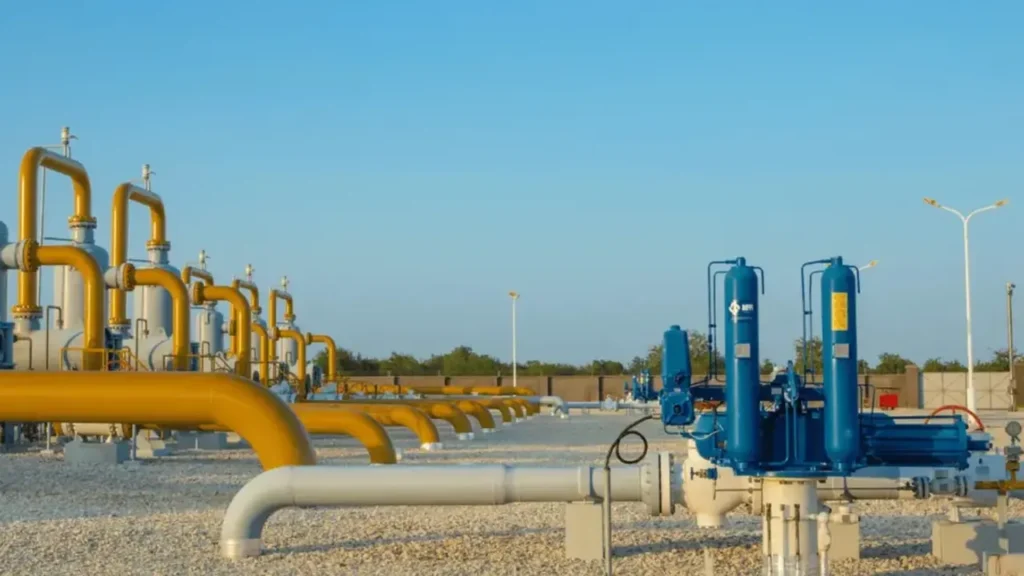
Tanzania is on the brink of sealing one of the largest energy investments in Africa’s history, with government officials confirming that a long-delayed $42 billion liquefied natural gas (LNG) project is expected to be signed before June.
The project, which has been stalled for years by regulatory and financial negotiations, is now entering its final legal phase after commercial terms were successfully concluded.
Once operational, the facility is projected to unlock over 47 trillion cubic feet of natural gas, placing Tanzania among the world’s emerging major gas producers.
The massive development is being jointly operated by Equinor and Shell, alongside key partners including ExxonMobil, Pavilion Energy, Medco Energi, and Tanzania’s national oil company, TPDC. Production is projected to begin in about eight years, reflecting the scale and technical complexity of the project.
According to government officials, earlier delays were triggered by proposed revisions to a financial agreement reached in 2023. Those disagreements temporarily froze progress, but renewed negotiations have now pushed the project back on track.
Speaking during an investment briefing in London, Tanzania’s Minister of State for Planning and Investment, Kitila Mkumbo, confirmed that discussions have moved beyond commercial terms and are now focused solely on the legal framework of the agreement.
“This is the largest investment project in Tanzania’s history. The commercial negotiations are complete what remains is finalising the legal structure so the agreement can be signed,” he said.
The project is expected to create over 100,000 direct and indirect jobs, while positioning Tanzania as a strategic energy supplier to Asian markets.
Alongside Mozambique’s gas developments, it could transform East Africa into a major LNG export corridor, reshaping the region’s economic and geopolitical relevance.
Beyond energy, the deal comes at a critical moment for Tanzania’s economy. Following political unrest linked to last year’s elections, several international partners reviewed their financial support, resulting in the suspension of between $2 billion and $3 billion in development funding.
This has intensified pressure on the government to secure alternative financing sources for infrastructure and national development projects.
In response, President Samia Suluhu Hassan has reportedly authorised the central bank to sell part of Tanzania’s gold reserves to fund key infrastructure initiatives, a move officials say is necessary to sustain ongoing projects amid reduced foreign support.
If finalised as planned, the LNG agreement will not only mark a turning point in Tanzania’s energy sector but also signal a broader economic reset, one driven by resource development, industrial growth, and strategic global energy partnerships.
This deal, analysts say, could redefine Tanzania’s position in Africa’s energy future and place the country firmly on the map as a long-term global gas exporter.

About The Author

 Somali Troops Kill Over 130 Militants, Crush Al Shabaab Attack on Kudhaa
  DR Congo Offers Major Mineral Assets to US Investors in Strategic Partnership
  Funnyfreakc Opens Up To Irodili: 5 Secrets Behind His Comedy Rise
  Sahel Alliance Slams US Arrest of Venezuela’s Maduro, Calls It Unacceptable Interference
  2025: A Defining Year of Global Impact for Amb. Dr. Jamezany James in Pan-African Cultural Diplomacy
  AFCON 2025: Osimhen Misses Training as Super Eagles Prepare for Mozambique Clash
  Sweden Considers Lowering Age of Criminal Responsibility to 13 Amid Rising Gang Recruitment of Children
  Unions, Industry Stakeholders Push Back as NAFDAC’s Sachet Alcohol Ban Sparks National Uproar
  Tanzania Poised for Historic Energy Breakthrough as $42bn Mega LNG Deal Nears Final Signature
  Iran Puts Military on Alert Over Possible U.S.–Israel Strike