
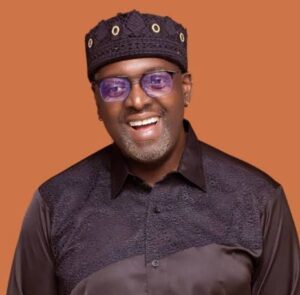
African elders say that until the lion learns to write, every story will praise the hunter. In this exclusive one-on-one conversation, I speak with Peter Armand Boyo, a Pan-African actor, filmmaker, Peace Ambassador, and cultural advocate from Nigeria, whose journey across Nollywood, Ghallywood, and Hollywood reflects Africa’s growing ownership of its own narratives.
From his childhood appearance in Children’s Time to his defining adult role in The Siege, Boyo’s career speaks to another African truth: the river that forgets its source will surely run dry. Grounded in Nigerian culture and shaped by global experience, he represents a new generation of African storytellers who carry tradition while engaging the world.
Irodili: Thanks for the opportunity to have a conversation with you. Sir Peter Armand Boyo, your artistic journey began in childhood. How did growing up in Nigeria shape your passion for storytelling and performance?
Peter Boyo: I wouldn’t say I grew up in only one place. My formative years were split between the UK, Nigeria, and the United States, and that experience played a huge role in shaping my perspective as a storyteller. From a young age, I was surrounded by strong characters, dramatic moments, humor, struggle, faith, and resilience. All of that naturally fed my imagination, a place where stories are everywhere, in family conversations, in music, in religion, in the streets, and in the way people live their daily lives.
Growing up across these environments teaches you to observe closely. You learn to read people, understand emotions without words, and appreciate layered narratives, joy sitting next to pain, hope beside hardship. Each environment shaped how I see stories today: raw, honest, and deeply human. Storytelling wasn’t something I consciously chose early on; it felt like something I grew into, because it was already a part of how life was experienced around me.
Irodili; You’ve built a career that spans Nigeria, Ghana, and Hollywood. How has working across these diverse cultures shaped your identity as a Pan-African creative?
Peter Boyo: Nigeria grounded me in culture, community, and emotionally rich storytelling, while the UK introduced structure, discipline, and a more restrained approach to performance. The United States later expanded my global outlook and reinforced the idea that stories can travel, connect, and resonate across borders.
Working across Nigeria, Ghana, and Hollywood has been an incredible journey, and it’s shaped me profoundly as a Pan-African creative. Each environment taught me something different about storytelling, collaboration, and audience engagement. Nigeria gave me a deep connection to local culture and narratives that are rooted in everyday life. Ghana offered new perspectives and a sense of regional diversity, showing me the power of shared African experiences across borders. Hollywood exposed me to global standards of production, narrative structure, and scale, but it also reminded me of the importance of authenticity that you can succeed internationally without losing your cultural voice.
Navigating these spaces has taught me to think globally while staying true to my African identity. It’s made me more versatile, more observant, and more committed to telling stories that resonate both within Africa and beyond. Ultimately, it’s reinforced my belief that African stories are universal when told with honesty, creativity, and heart.
Irodili: Nigeria is a cultural powerhouse. Which aspects of Nigerian heritage, humour, spirituality, resilience, and community, most influence your approach to cinema?
Peter Boyo: Nigeria’s culture is in my bones it’s part of how I see the world and tell stories. The humor you find in everyday conversations, the way people laugh through struggle, that has taught me to find light in darker moments and bring honesty into my work. I want audiences to feel like they’re watching life, not just watching a movie.
Spirituality and resilience are part of the Nigerian rhythm too. Watching people hold onto hope, make meaning out of hardship, or just keep pushing forward that teaches you about depth and emotion in storytelling. I think that shows up in the kinds of characters I’m drawn to and the journeys I put on screen.
And community that’s everything. Nigerian stories are rarely about just one person in isolation; they’re about relationships, family, collective experience. I try to take that into every project I’m a part of, whether it’s in Ghana, Hollywood, or back home, because it’s what feels real to me.
That mix of humor, faith, resilience, and community it’s not just influence, it’s the heartbeat of how I make films and why I make them.
Irodili: Every artist experiences defining moments. What early experiences strengthened your resolve to pursue film on a global level?
Peter Boyo: Some of the moments that really strengthened my resolve to pursue film on a global level happened early and they were the kind that made me fall in love with the process of storytelling, not just the idea of fame.
I remember acting in front of people as a kid literally six years old and even though it was silly (I passed out instead of pretending to faint), the way people reacted was electric. That moment hit something inside me, and even when I looked back and realized I actually fainted, I didn’t stop wanting to perform.
Growing up, my family was already immersed in entertainment in one way or another, so performing, directing, and creating always felt natural. I was gathering friends, making up little shows, hiding behind the couch I didn’t know I was directing, I just knew I loved the energy.
Later, studying cinematography in New York opened my eyes to how film connects the world and how powerful it can be to tell stories that bridge continents and cultures. That experience made me think: if this can move people here, why not the whole world? Learning my craft in that environment pushed me to aim beyond borders and to trust that my voice could sit comfortably anywhere from Nigeria to Hollywood.
So those early experiences performing without fear, creating without limits, and seeing how stories land with people that’s what cemented it for me. Wherever I go now, I carry the memory of that energy and that feeling of connection.
Irodili: Having worked across Nolly-Ghally-Hollywood, what do you think the world still misunderstands about African storytelling?
Peter Boyo: One thing the world still misunderstands about African storytelling is that it’s often seen as niche or exotic, instead of universal. People assume African stories are only for African audiences, but the truth is they explore emotions, conflicts, humor, and triumphs that anyone can relate to love, loss, resilience, ambition.
Another misconception is that African cinema is one-dimensional or simplistic. Working across Nigeria, Ghana, and Hollywood has shown me that African stories are layered, bold, and inventive. We blend traditions, modernity, humor, and deep human truths in ways that are authentic and dynamic, and I think sometimes the global eye hasn’t fully learned to read that yet.
For me, it’s not just about correcting assumptions it’s about creating work that proves the richness and universality of African stories. Every film I make or support carries that goal: to show that African narratives are just as complex, relatable, and emotionally powerful as any story in the world.
Irodili: Nollywood is the second-largest film industry in the world. From your perspective, how has this achievement shaped Africa’s cultural identity on the global stage?
Peter Boyo: Nollywood being the second-largest film industry in the world is huge not just in numbers, but in what it says about African creativity. It shows that Africa can produce stories that are fast, bold, relatable, and resonate with audiences everywhere.
For me, it’s also about cultural pride. Nollywood films carry our humor, our struggles, our traditions, and our way of seeing the world to the rest of the globe. People may watch for entertainment, but they also get a glimpse of who we are, what we value, and how we navigate life.
This achievement has helped Africa define its identity on the global stage as a place of innovation, resilience, and storytelling that’s both universal and uniquely African. It’s inspiring, and it pushes me personally to create work that contributes to that narrative.
Irodili: Among your works, Monkey Business, The Siege, Brooklyn Heights, Tarima, and others, which role challenged you the most creatively, and why?
Peter Boyo: Every project has pushed me in different ways, but if I had to pick one, Greed and Poverty was the most creatively challenging. It was the first time I had to speak pidgin English consistently, and I had to learn it on set research it, practice it, and make it feel natural in the moment. That alone pushed me out of my comfort zone.
I also played a very poor carpenter in the ghetto someone shaped by circumstance into being cunning, frugal, and extremely cheapskate, while also holding male chauvinist beliefs. That was the opposite of my reality, so getting into that mindset and staying truthful to the character required deep emotional work and commitment.
I also incorporated my physical comedy, which some people even reference as “Mr. Bean” style, to bring humor and relatability to the character while staying true to his struggles.
That role reminded me that no matter my pedigree or years of training, stepping into a reality I’ve never lived from the ghetto to a character shaped by hardship demands focus, research, and total commitment. It reinforced how acting is as much about understanding human psychology and circumstance as it is about performance, and it pushed me to fully inhabit a world far removed from my own.
Irodili: You began your modelling training at 17 with John Casablanca’s school in Philadelphia. How did that experience shape your confidence and discipline as an actor and filmmaker?
Peter Boyo: Beginning my modelling training at about 17 with John Casablanca’s school in Philadelphia was an important foundation for my confidence and discipline. At the time, it was difficult to get work because the industry told me “Black don’t sell,” yet working through that taught me resilience, professionalism, and how to carry myself under pressure.
Modelling taught me to be aware of my body, presence, movement, and how to perform for a camera or audience skills that translate directly into acting and filmmaking. It also pushed me to understand how to build and hold a personal brand, present myself with intention, and keep learning even when opportunities weren’t easy.
That early experience shaped how I approach every role and set, giving me confidence in front of the camera and a strong sense of discipline behind it. Most importantly, it taught me to believe in myself and never give up.
Irodili: You’ve worked alongside legends like Denzel Washington and Bruce Willis. What key lessons from these experiences have stayed with you?
Peter Boyo: Working alongside legends like Denzel Washington, Bruce Willis, Bobby Brown, R. Kelly, and other notable figures, was incredible, not just for the prestige, but for what I learned from observing them. One of the biggest lessons is the level of preparation and focus they bring to every scene.
Watching Mr. Denzel Washington, for example, showed me how much thought goes into every line, every pause, every movement even the smallest choices matter.
Watching Bruce Willis taught me about presence and timing, and how to own a scene without overshadowing anyone else. Both experiences reinforced that acting isn’t just talent it’s discipline, professionalism, and respect for everyone on set.
Being around that energy reminded me to stay grounded, trust my instincts, and always keep learning, no matter how far along you are in your career.
Irodili: As both an actor and filmmaker, how do you balance emotional authenticity with the technical and practical realities of production?
Peter Boyo: Balancing emotional authenticity with the technical realities of production is always a careful dance. On set, there are cameras, lighting, sound, and schedules all of which demand precision . As an Actor my priority is always the truth of the character in the moment. If the emotion isn’t real, the technical perfection doesn’t matter.
I approach it by preparing thoroughly: understanding the character, the scene, and the story so that when the cameras roll, I can respond naturally and stay present, even with all the production constraints.
Being a filmmaker as well helps because I understand the practical side I know how lighting, camera angles, and timing affect performance, so I can adjust without losing the emotional core. It’s about staying in the scene, respecting the craft, and never letting the technical side overshadow the humanity of the story.
For me, the key is integration respecting the technical requirements while protecting the emotional truth. It’s a balance I constantly refine, and it’s what allows my work to feel genuine, grounded, and compelling on screen.
Irodili: As a Peace Ambassador, how do you use film, creativity, and your public platform to promote peace and conflict resolution across African societies?
Peter Boyo: As an Ambassador for Peace, I use film, creativity, and my public platform to promote peace, understanding, and tangible support in African communities. Through my own foundation, the Derago Rainbow Chocolate Cupcakes Foundation, I’ve partnered with organisations like the Lydian Adikabe Foundation and the Better You Initiative to support children and families during difficult times, for example, during the COVID‑19 lockdown, we visited homes in Oworonshoki, Lagos, engaging kids in home lessons and distributing gifts to encourage their learning and wellbeing, especially for those without access to online education.
Working on the ground with these foundations allowed me to translate empathy into action — reaching over 200 people, providing food aid, educational support, and raising awareness about the hardships families were facing in precarious living conditions. That experience emphasized how storytelling must be paired with real community engagement; when people see and hear about struggles through film or on social media, it can motivate others to join in support.
I’ve also supported broader community work through Live Abundantly!, where we invest in social awareness, advocacy, and education for women, children, and vulnerable groups. By combining creative expression with charity work and partnerships with organisations doing grassroots outreach, I aim to use art and presence for peace, empowerment, and sustainable impact across African societies.
Irodili: Nigeria has always played a central role in Pan-African movements. How does your work contribute to strengthening cultural unity across African nations today?
Peter Boyo: Nigeria has a long history of shaping Pan-African movements, and I see my work as part of that legacy. Through film, storytelling, and my public platform, I aim to highlight shared experiences, values, and struggles across African societies while celebrating the diversity that makes each culture unique.
By working across Nigeria, Ghana, and Hollywood, I’ve been able to bring African narratives to global audiences in ways that connect people, spark dialogue, and build understanding. Whether it’s through authentic portrayals of African life, collaborative projects with creatives from different countries, or advocacy through charitable and cultural initiatives, my goal is to foster cultural pride and unity.
I believe that telling our stories on our terms honestly, boldly, and creatively helps Africans see themselves reflected and recognized, and it also shows the world the strength, resilience, and innovation that runs through the continent. My work contributes to that ongoing conversation, one story at a time.
Irodili: What collaborations between Nigeria and other African film industries do you believe could strengthen a truly Pan-African cinema ecosystem?
Irodili: What collaborations between Nigeria and other African film industries do you believe could strengthen a truly Pan-African cinema ecosystem?
Peter Boyo: believe the future of a truly Pan-African cinema ecosystem lies in collaborations that combine storytelling, technical expertise, and distribution networks across countries. Nigeria, with Nollywood’s incredible scale and creative energy, can partner with Ghana, Kenya, South Africa, and other film industries to co-produce stories that reflect shared African experiences while celebrating local nuances.
Such collaborations could involve joint training programs, talent exchanges, and co-productions that raise production standards, broaden market access, and showcase African stories globally. Festivals and forums like FRSTAC 2025 provide ideal platforms for these partnerships creating spaces where filmmakers, producers, and distributors from across the continent can network, share knowledge, and plan projects that unify African cinema.
Ultimately, it’s about building a continent-wide ecosystem where African creativity supports itself, nurtures talent locally, and presents a collective cultural identity to the world, rather than fragmented national outputs. By working together, we can tell African stories that resonate everywhere and truly put Pan-African cinema on the global stage.
Irodili: African filmmakers continue to face global misconceptions. How can the continent’s storytellers collectively challenge and dismantle these stereotypes?
Peter Boyo: There are still a lot of misconceptions about African filmmaking people assume we only tell certain stories or that our work isn’t sophisticated. The way to change that is by consistently creating authentic, bold, and high-quality stories that reflect the full complexity of African life.
Collaboration matters. Filmmakers across the continent need to share knowledge, co-produce, and support each other, so African cinema grows as a unified force. Platforms like Festac 2025 are essential because they give us a stage to showcase our talent, exchange ideas, and set the record straight on what African storytelling can achieve.
Ultimately, it’s about ownership and perspective Africans telling African stories on our terms, showing humor, resilience, innovation, and depth. When we do that consistently, stereotypes fall away naturally, and the world sees the richness of our creativity.
Irodili: Cultural advocacy has become a defining part of your career. What does Pan-African cultural activism mean to you personally?
Peter Boyo: Pan-African cultural activism, for me, is about using my platform to celebrate, protect, and amplify African creativity and heritage. It’s not just about making films or doing events it’s about ensuring that African stories, art, and voices are seen, respected, and understood on our own terms.
Personally, it means taking responsibility for how African culture is represented in film, music, fashion, dance, or any creative space and using every opportunity to build connections between communities across the continent. It’s about mentorship, collaboration, and creating spaces where emerging talents can thrive without losing their identity.
Being involved in cultural advocacy is also deeply personal because it’s a way to give back to the continent that shaped me, to honor its history, its resilience, and its creativity, while contributing to a narrative that unites rather than divides.
Irodili: Cultural advocacy has become a defining part of your career. What does Pan-African cultural activism mean to you personally?
Peter Boyo: Personally, it means taking responsibility for how African culture is represented in film, music, fashion, or any creative space
For me, Pan-African cultural activism is about using every platform I have to celebrate, amplify, and protect African creativity and heritage. It’s about making sure our stories, art, fashion, and voices are seen and respected on our own terms, across the continent and around the world.
Being a Festacwood Ambassador for FESTAC Africa Festival allowed me to actively promote African culture, support the festival’s mission, and help shine a spotlight on the richness of our heritage. Fashion is another powerful tool for cultural storytelling. Working with Anjoreen Couture, allowed me to advocate for African fashion and style, showing that cultural expression can be bold, modern, and deeply rooted in our heritage. Elbryt Apparel blending African, Asian, and Gothic influences and Douglas & Briggs, which focuses on bespoke African-made fashion for the sophisticated gentleman, gives me a chance to showcase African style as innovative, bold, and globally relevant.
Pan-African activism, to me, isn’t just about words, it’s about action, mentorship, collaboration, and visibility. Whether through film, fashion, or festival advocacy, it’s about creating spaces where African voices are celebrated authentically, talent is nurtured, and culture is respected. It’s about making sure that our creativity, heritage, and innovation are not only seen but also respected and valued globally.
Irodili: Your Derago Rainbow Chocolate Cupcakes Foundation brings joy to children and raises awareness on youth-related issues. How has philanthropy influenced your approach to creativity and leadership?
Peter Boyo: Philanthropy has definitely shaped how I see creativity and leadership. Through the Derago Rainbow Chocolate Cupcakes Foundation, working directly with children and young people from my performance group Awesome State has reminded me that creativity isn’t just about expression or success, it’s also about impact and responsibility.
Being involved at that level keeps me grounded. When you see kids light up from something as simple as attention, encouragement, or a small gift, it changes how you approach everything else. It influences the kind of stories I want to tell, the values I want to project, and how intentional I am about using my platform.
Leadership, for me, becomes less about titles and more about service. It’s about showing up, listening, and using creativity to inspire hope, confidence, and possibility. That mindset carries into my work as an actor, filmmaker, and cultural advocate. It pushes me to create with purpose, to lead with empathy, and to remember that influence means very little if it doesn’t positively touch lives.
Irodili: African youths are emerging as global drivers in film, music, and technology. What opportunities do you see for them in the creative economy?
Peter Boyo: African youths are in a powerful position right now. With access to digital tools, social media, and global platforms, they’re no longer waiting for permission to create or be seen. The biggest opportunity in the creative economy is ownership owning ideas, content, platforms, and intellectual property.
In film, music, and technology, young Africans can build global audiences from wherever they are, collaborate across borders, and tell stories that travel. There’s also growing space for innovation from independent filmmaking and digital distribution to tech-driven solutions that support creative production, marketing, and monetization.
What’s important is guidance and structure. With mentorship, skills development, and the right support systems, African youths can turn talent into sustainable careers. The creative economy isn’t just about expression anymore; it’s a serious economic engine, and young Africans are well positioned to lead it if they stay intentional, disciplined, and connected to their cultural identity.
Irodili: What policies should African governments, starting with Nigeria, implement to unlock the full potential of the cultural and creative industries?
Peter Boyo: African governments, starting with Nigeria, need to first recognize the cultural and creative industries as serious economic drivers, not side attractions. That recognition should reflect in clear policies, funding structures, and long-term planning.
There needs to be better access to funding and grants tailored to creatives, alongside tax incentives for investors who support film, music, fashion, and digital content. Stronger intellectual property protection is also critical so creators can actually benefit from their work and build sustainable careers.
Infrastructure matters too, film villages, production hubs, training centers, and digital distribution support can change the game. Beyond that, governments should work more closely with practitioners, not just policymakers, to design systems that reflect the realities of the industry.
When policies support creativity, protect talent, and encourage ownership, the creative sector can create jobs, shape global perception, and contribute meaningfully to economic growth.
Irodili: Reflecting on your journey, what advice would you offer young African creatives aspiring to follow in your footsteps?
Peter Boyo: The first thing I’d say is take your craft seriously. Talent is important, but discipline, consistency, and growth are what sustain a career. Learn your craft properly, understand the business side of it, and don’t rush the process.
Be patient with yourself, but also be bold. Don’t wait for validation before you start creating. Use what you have, where you are, and keep improving. At the same time, protect your values and your identity don’t lose yourself trying to fit into trends or expectations.
Finally, remember that the journey isn’t linear. There will be setbacks, rejections, and moments of doubt. What matters is resilience and purpose. Stay curious, keep learning, and understand that success isn’t just about visibility, it’s about impact, longevity, and staying true to who you are.
Irodili: Mr. Peter, as I, Irodili C. Iroegbu, continue to engage voices shaping African cinema, one name consistently emerges: Dr. Jamezany James, Nollywood’s Diplomatic Producer and Cultural Ambassador. How do you see Dr. James’ impact on Nollywood’s global diplomacy, and personally, what do you feel about him as a colleague in this shared Pan-African cultural mission?
Peter Boyo: Dr. Jamezany James has played an important role in positioning Nollywood beyond entertainment and into the space of cultural diplomacy. His work shows a clear understanding that film isn’t just about storytelling, it’s also about representation, influence, and how a nation is perceived globally. By bridging creative work with diplomacy, he has helped open conversations and pathways that benefit Nollywood on an international level.
On a personal level, I see him as someone who understands the bigger picture. We may approach the mission from different angles, but we share a common goal using culture, film, and collaboration to strengthen Africa’s voice on the global stage. That kind of alignment matters.
In a Pan-African context, it’s not about competition, it’s about contribution. When people like Dr. James commit to elevating African cinema with intention and vision, it strengthens the ecosystem for everyone. I respect his work and his commitment to advancing Nollywood as both an industry and a cultural force.
Irodili: Apart from acting, what other ventures do you pursue, and how do these roles shape the way you contribute to Africa’s creative and cultural landscape?
Peter Boyo: Beyond acting, my work extends into filmmaking, mentorship, coaching, cultural advocacy, fashion, and philanthropy. Each of these roles allows me to contribute to Africa’s creative and cultural landscape in practical and meaningful ways.
As a filmmaker, I’m involved in shaping stories from development to execution, which gives me greater control over narrative, representation, and quality. Mentorship and coaching are also important to me. As an acting coach and a DGN facilitator for the NYSC SAED program, I work directly with young creatives, helping them develop skills, discipline, and a clearer understanding of the business side of the industry.
Cultural advocacy runs through everything I do. As a Festacwood Ambassador, I actively promote African heritage and creative collaboration across borders. Fashion is another form of expression and storytelling for me, through collaborations with Anjoreen Couture, Elbryt Apparel, and Douglas & Briggs, presenting African style as modern, confident, and globally relevant.
Philanthropy remains central as well. Through the Derago Rainbow Chocolate Cupcakes Foundation, supported by my performance art group Awesome State, I engage with communities and young people, using creativity as a tool for empowerment and encouragement.
All these roles shape how I contribute not just as an artist, but as someone committed to building platforms, sharing knowledge, and ensuring African creativity is respected, visible, and sustainable.
Irodili: Which of your films first brought you into the limelight, and what is the name
Peter Boyo: Children’s Time ( as a kid)
The Siege (as an adult)
About The Author








Leave a comment