

By: Chioma Madonna Ndukwu
Genocide: US Envoy Says Encounters in Nigeria’s Conflict Zones Left Unforgettable Scars
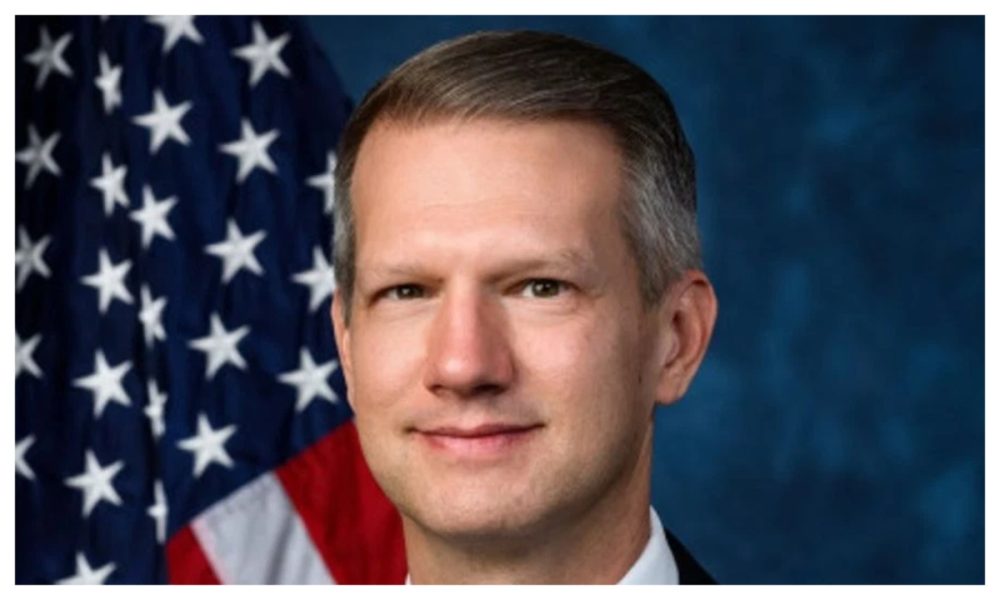
Riley Moore, who led a US congressional team investigating allegations of targeted violence against Christians in Nigeria, says the scenes he witnessed during the mission will remain with him for the rest of his life.
Moore shared his reflections in a post on his verified X account on Thursday, shortly after returning to the United States.
The delegation arrived in Nigeria on Sunday for a fact-finding visit following renewed debates in Washington about rising attacks across the Middle Belt.
As part of the assignment, the team travelled to Benue State—a region long troubled by clashes between farming communities and armed groups.
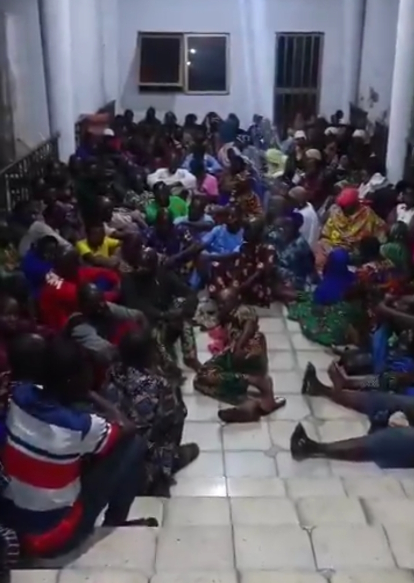
There, the lawmakers met with displaced families, religious leaders including Bishops Wilfred Anagbe and Stephen Dugu, as well as the Tor Tiv, who briefed them on years of recurrent killings.
During the visit, Moore noted that Benue hosts more than 600,000 internally displaced persons, most of whom have endured repeated attacks.
He recounted hearing stories from survivors, including a mother who watched five of her children be killed—an experience he described as “heartbreaking” and emblematic of the scale of the crisis.
In his post, Moore said the camps they visited faced routine assaults by what he termed “Fulani Islamic radicals,” insisting that the violence amounted to a coordinated campaign targeting Christian communities in the Middle Belt.
He disclosed that he is preparing a formal report for US President Donald Trump, outlining recommendations for coordinated engagement with the Nigerian government to help curb the killings and address persistent security threats, particularly in the Northeast.
“I’ve never seen anything like it,” Moore wrote. “It will stay with me the rest of my life. We will brief the President soon.”
The visit adds fresh international scrutiny to long-running security concerns in Nigeria, where farmer-herder conflicts, terrorism, and banditry continue to displace hundreds of thousands across several states.
About The Author


















Leave a comment