

By: Chioma Madonna Ndukwu
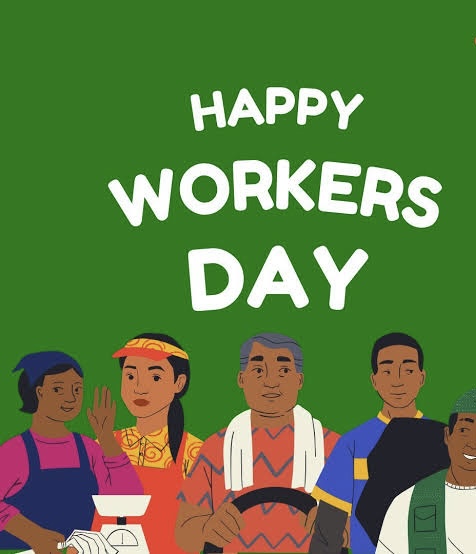
May Day in Nigeria Feels Like a Celebration Where Hunger Leads the Parade
“When the drumbeat changes, even the dancer must adjust.” For millions of Nigerian workers, the rhythm has not merely changed, it has become unbearably harsh.
This year’s Workers’ Day arrives not with celebration, but with sighs.
The banners are up, the speeches are ready, and the marching bands may still play, yet beneath the music lies a nation groaning under the weight of economic hardship, insecurity, and failing leadership.
How does a worker earning ₦70,000 monthly rejoice when petrol now sells for as much as ₦1,440 per litre?
How does a family breathe when the cost of food rises faster than hope itself? In today’s Nigeria, survival has become a full-time occupation.
The average citizen wakes before dawn, battles transport fares that bite like a snake, works all day, and returns home to darkness, inflated electricity bills, and an empty refrigerator.
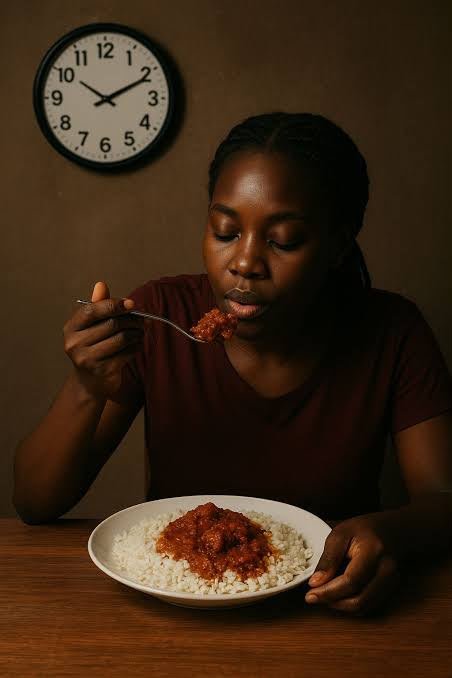
For many, the salary no longer lasts beyond the first week. The rest of the month becomes a long negotiation with hunger.
As if hardship were not enough, insecurity continues to stalk the land.
From kidnappings on highways to terrorist attacks in troubled regions, Nigerians live with the unsettling reality that safety is now a luxury. A nation cannot prosper when its people sleep with one eye open.
Then there is the growing frustration over nepotism and the concentration of power in the hands of a privileged few.
Merit often takes the back seat while connections sit comfortably behind the wheel. In a country overflowing with brilliance, too many doors still open only for the well-connected.
Recent developments have only deepened public anger. The soaring cost of fuel, the weakening naira, persistent food inflation, and rising unemployment have left many questioning whether governance still serves the governed.
To many citizens, leadership appears distant, like rain falling on another man’s roof.
Yet, the Nigerian worker endures. He bends, but rarely breaks. She carries tomorrow on her back, even when today offers little comfort. That resilience remains this country’s greatest natural resource.
But resilience should never be mistaken for acceptance.
Workers’ Day must be more than parades and promises. It must be a moment of reckoning. A nation cannot continue to place mountains on the shoulders of its workers while offering them pebbles in return.
Nigeria’s workers deserve more than applause. They deserve security, fair wages, competent leadership, and a government that remembers that power belongs to the people.
Until then, May Day will remain what it has sadly become, a celebration wrapped in struggle, a festival held in the shadow of hardship.
And so, as workers gather across the country today, one truth echoes louder than any marching band: a hungry man may sing, but his heart will not dance.
About The Author













Leave a comment