

By: Chioma Madonna Ndukwu
Africa’s Talking Drum: No Palm Tree Grows for One Family
By the time the first rays of the sun reached Nambala Village, old Amina was already gathering fallen palm fronds beneath the tallest palm tree anyone had ever known. Children often asked who planted it, but the elders only smiled.
“Our ancestors used to say,” old Kande would tell them, “the hand that plants a palm tree knows it is feeding grandchildren it may never meet.”
For many seasons the tree belonged to everyone. Travellers rested beneath its shade. Women gathered its fruits for oil.
Children chased one another around its broad trunk, and no one counted who took more than another because the village believed that blessings lost their sweetness the moment they were locked behind a single door.
Then came a year when the rains disappointed the land. The palm tree still bore fruit, but not as generously as before.
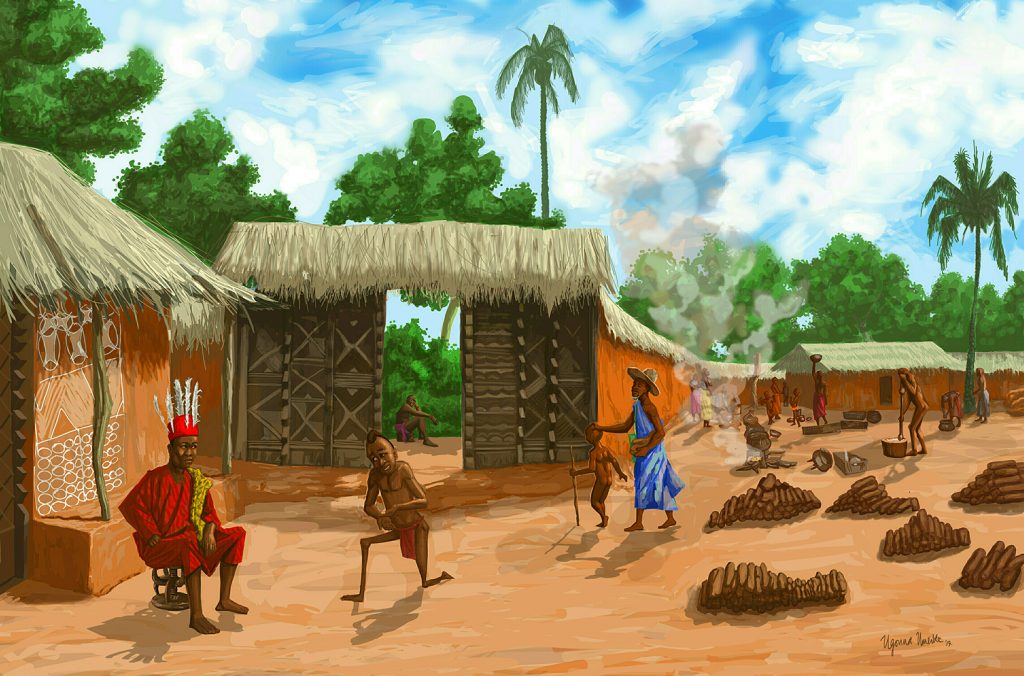
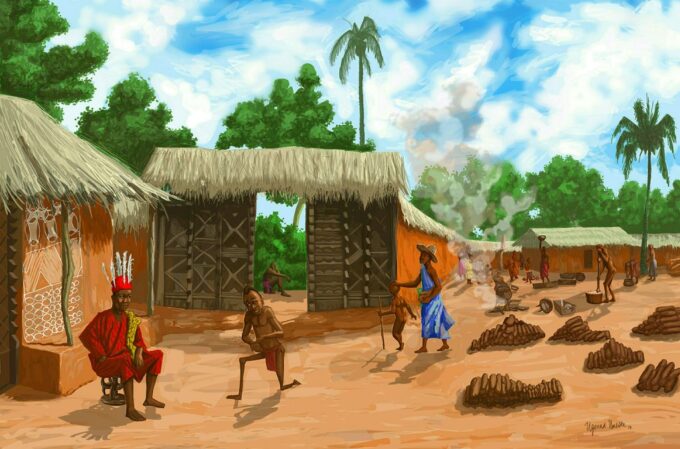
Chief Duma stood beneath its branches and raised his staff.
“From today,” he declared, “only families with large farms may harvest these fruits. They have earned the greater share.”
A murmur spread through the crowd.
An old hunter leaned towards another elder.
“When a fence begins to surround a common path,” he whispered, “someone has forgotten where home is.”
Nobody challenged the chief. Not until old Amina walked slowly towards the tree, bent down and picked up one ripe fruit that had fallen at her feet.
She held it up.
“My Chief,” she said gently, “did this tree ask who was rich before it gave us shade?”
The square fell silent. She looked around at the hungry faces.
“When my husband was alive, he rested beneath this tree. When strangers arrived, it welcomed them too. Even birds from distant forests build their nests here without asking permission.”
Chief Duma lowered his eyes. The children watched him closely.
After a long silence, he removed the cloth draped across his shoulder.
“My father warned me,” he admitted. “A leader who eats alone soon discovers he has no people left to lead. I almost traded the wisdom of my ancestors for the pride of a single season.”
The baskets were lowered, and the fruits were fruits were shared.
Laughter returned to the village square, and before sunset every household carried home enough to remind them that generosity feeds a community longer than greed ever can.
From that day, whenever children asked who owned the great palm tree, the elders simply smiled.
“The palm belongs to the one who remembers that no blessing was created for one family alone.”
Moral: What nature gives to a community should never become the privilege of a few.
Comment Hook: A society begins to lose itself long before it loses its wealth; it begins the day common blessings stop feeling common.
About The Author



















Leave a comment