

By: Chioma Madonna Ndukwu
Africa Unveils HIV-Prevention Shot That Could Rewrite the Continent’s Health Future
Africa has entered a new chapter in its decades-long battle against HIV/AIDS with the rollout of a preventive injection that scientists say can block transmission by an astonishing 99.9 percent.
The development, already stirring cautious optimism across the continent, marks one of the most promising advances since the arrival of antiretroviral therapy.
For years, health workers have wrestled with the challenge of getting at-risk individuals to stick to daily preventive pills. Missed doses, stigma, poor access to clinics, and limited medical infrastructure have all weakened the impact of existing prevention methods.
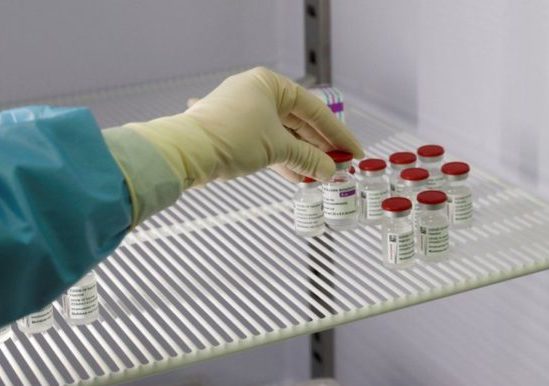
The new long-acting shot, developed around the drug Lenacapavir, is designed to cut through these barriers. Instead of taking a pill every day, recipients only need periodic injections to stay protected.
Public-health officials say this shift could be a game-changer, especially in communities where HIV remains deeply entrenched.
With fewer clinic visits required, the injection has the potential to reach people who previously slipped through the cracks: young women in high-risk regions, men who avoid testing out of fear or stigma, and remote communities with few health facilities.
Experts describe the injection’s arrival as a moment that could ease the strain on overstretched health systems.
If widely adopted, it could sharply reduce new infections, allowing governments to refocus limited resources on treatment, education and long-term support for affected families.
Still, the breakthrough comes with pressing questions. Who gets access first? How will countries manage supply, cold-chain storage and training for frontline health workers? And in a continent where inequalities often shape healthcare outcomes, how can leaders ensure the poorest and most vulnerable are not left behind?
These concerns are already shaping discussions among policymakers, health agencies and donor groups as they prepare for national rollouts.
The injection’s success will depend not only on science, but on fair distribution, financing and strong community engagement.
Yet, despite the hurdles, the mood among health professionals is one of renewed hope. With its near-complete protection rate and simplified use, the injection signals a possible turning pointone that could push Africa closer to the long-awaited goal of drastically cutting, and eventually ending, the HIV epidemic.
The months ahead will test the continent’s readiness to scale up this innovation. But for millions who have lived under the shadow of HIV, the new injection offers something long overdue: a practical lifeline and a glimpse of a future where the virus no longer dictates the rhythm of life across communities.

About The Author

 Guinea-Bissau Junta Releases Detained Opposition Figures Amid Pressure to Restore Civil Rule
  Türkiye Begins Analysis After Retrieving Black Box From Fatal Libyan Military Jet Crash
  US Revamps Health Aid as African Countries Sign New Funding Deals
  Footage Triggers Uproar After Doctor Is Seen Attacking Patient in Hospital Ward
  TODAY IN HISTORY – 23rd Dec, 2025 – Africa World News
  The Pulse of West Africa: Why Youth Look to Captain Ibrahim Traore
  DOMINION CITY, AMUWO ODOFIIN PRESENTS… A Glorious Christmas Service: Celebrating the Greatest Gift to Humanity
  VJ Adams and Bimbo Ademoye Reignite Romance Speculation
  Davido Steps Into Osun Politics, Set to Register with Accord Party