

By: Chioma Madonna Ndukwu
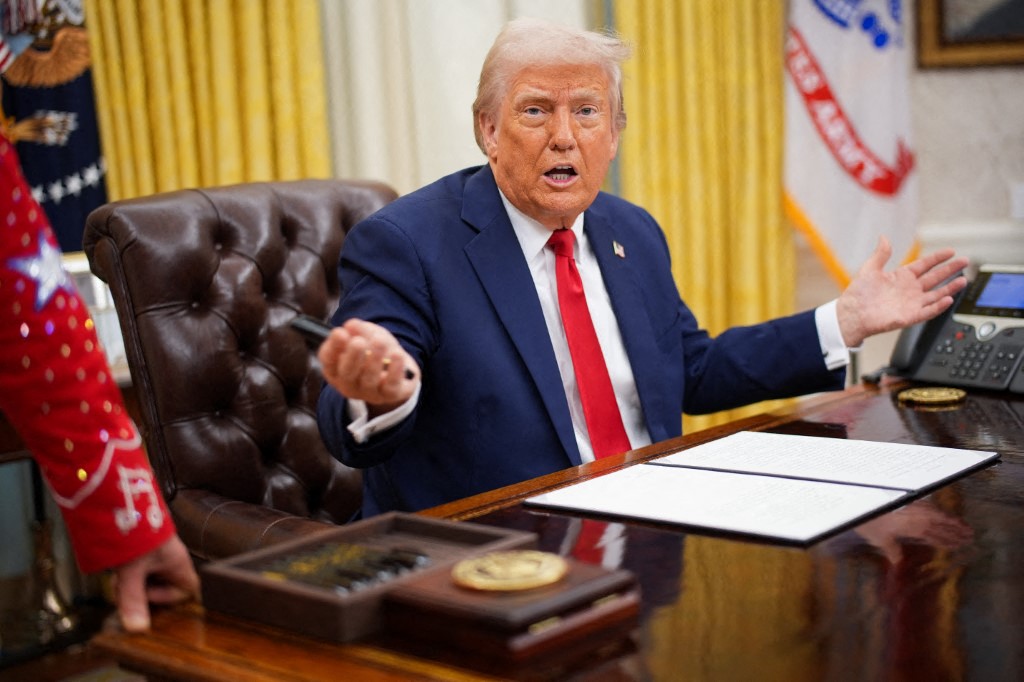
On July 19, 2025, the Trump administration confirmed that the U.S. would not accept recent amendments to the World Health Organization’s (WHO) pandemic response, citing concerns over national sovereignty.
Following his return to office in January 2025, President Trump began the process of withdrawing the U.S. from the WHO. The U.S. State Department stated that previous agreements on pandemic reforms would still be binding.
In a joint statement, Secretary of State Marco Rubio and Health Secretary Robert F. Kennedy Jr. argued that the changes threatened U.S. autonomy in making health policies, emphasizing their commitment to protecting American rights such as free speech and privacy.
The WHO amendments, adopted during the 2024 World Health Assembly, aimed to improve global pandemic preparedness, with an emphasis on supporting developing nations. Rubio and Kennedy voiced strong opposition, claiming that the changes failed to address the WHO’s vulnerability to political pressures, particularly from China.
In response, WHO chief Tedros Adhanom Ghebreyesus expressed disappointment, assuring that the reforms respected member states’ sovereignty and did not mandate restrictive measures like lockdowns. Despite the U.S. withdrawal, concerns over the reforms are also being raised in other countries, including the U.K. and Australia.
About The Author

















Leave a comment