

By : Chinasaokwu Helen Okoro
WHO Warns: Skyrocketing Healthcare Costs Push 384 Million Africans Into Poverty
The World Health Organization (WHO) has issued a grave warning about the rising cost of healthcare across Africa, revealing that an estimated 384 million people have been pushed into poverty as a result of out-of-pocket medical expenses. The alarming figure underscores a deepening crisis that threatens lives, household stability, and the continent’s journey toward universal health coverage.
According to the WHO, healthcare spending in many African countries has surged sharply over the last decade, driven by inflation, the high cost of pharmaceuticals, inadequate public funding, and weak health insurance systems. For millions of families, a single illness—whether malaria, childbirth complications, or chronic ailments such as diabetes—can wipe out savings, force the sale of assets, or plunge entire households into long-term destitution.
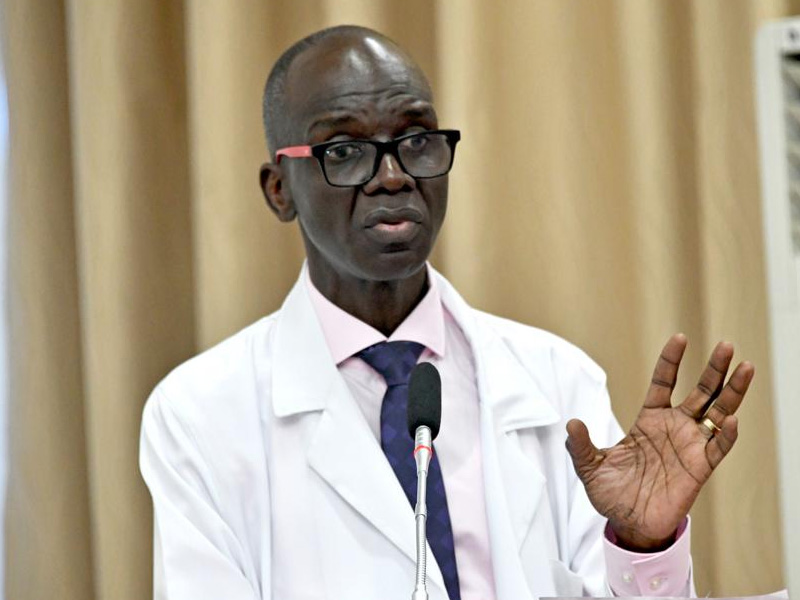
Dr. Matshidiso Moeti, WHO Regional Director for Africa, said the organization’s findings highlight the urgent need for reform: “Health should never be a path to poverty. Yet, too many Africans face impossible choices between seeking medical care and buying food, paying school fees, or keeping a roof over their heads.”
In many countries, households pay over 40% of their healthcare costs directly from their pockets, one of the highest rates in the world. This heavy financial burden is worsened by limited access to affordable medications, insufficient government investment in public facilities, and the dominance of private clinics that often charge beyond the reach of ordinary citizens.
For low-income families, the impact is devastating. In rural communities, people frequently delay treatment due to cost concerns, leading to complications that are more expensive—and sometimes too late—to treat. Women and children are disproportionately affected, especially in areas where maternal and child health services are underfunded or reliant on donor support.
The WHO reports that countries with fragile health insurance systems or none at all experience the highest rates of healthcare-induced poverty. While several African nations have recently introduced national health insurance programs, coverage remains limited, and the majority of citizens—especially informal workers—remain uninsured.
Economists warn that the consequences extend far beyond household finances. Rising health costs strain national productivity, widen inequality, and place additional pressure on governments that are already battling debt, unemployment, and economic instability. Poor health limits learning, reduces workforce participation, and increases dependency burdens on already struggling families.
Public health experts argue that the crisis is reversible—but requires political commitment and strategic investment. They recommend expanding national health insurance coverage, increasing budgetary allocations to the health sector, regulating the prices of essential drugs, and improving supply chains to reduce costs inflated by shortages and import dependency. Strengthening community-based health services, they say, will also reduce expensive hospital visits by addressing illnesses at earlier stages.
WHO emphasizes that Africa cannot achieve meaningful development if millions are forced into poverty every year simply because they seek medical care. The agency urges governments to prioritize health financing reforms as part of their economic recovery plans, especially following the financial shocks triggered by the COVID-19 pandemic.
Several African leaders have acknowledged the urgency of the situation. Countries like Rwanda and Ghana have made progress with more inclusive insurance systems, while Kenya, Nigeria, and Zambia are introducing new frameworks to reduce out-of-pocket payments. However, implementation challenges, corruption, inadequate funding, and weak institutional capacity continue to slow progress.
As healthcare costs continue their upward climb, the WHO warns that the number of Africans slipping into poverty could rise even further unless governments act decisively. For millions of families already on the edge, the message is clear: affordable healthcare is not just a social service—it is a lifeline, a human right, and the foundation for a healthier, more prosperous Africa.
With 384 million people already impoverished by health expenses, the stakes could not be higher.

About The Author

 Footage Triggers Uproar After Doctor Is Seen Attacking Patient in Hospital Ward
  Kardashian’s Aneurysm Scare Rekindles a Global Warning About Stress and Silent Brain Risks
  Smog-Stricken Streets, Struggling Lungs: Delhi Battles 200,000 Acute Respiratory Cases Amid Toxic Air Surge
  Africa Unveils HIV-Prevention Shot That Could Rewrite the Continent’s Health Future
  Regina Daniels’ Tears Unmask the Mental Health Crisis Behind Marital Pain
  Wellbeing accelerator hosts sip & paint event on stress management in Bradford
  DOMINION CITY, AMUWO ODOFIIN PRESENTS… A Glorious Christmas Service: Celebrating the Greatest Gift to Humanity
  VJ Adams and Bimbo Ademoye Reignite Romance Speculation
  Davido Steps Into Osun Politics, Set to Register with Accord Party
  Guinea-Bissau Junta Releases Detained Opposition Figures Amid Pressure to Restore Civil Rule